
🐸 How Often Should You Feed a Pacman Frog?
Feeding Frequency by Age, Size, and Life Stage
How Often Should You Feed a Pacman Frog - At a Glance
Feed baby Pacman frogs daily, juveniles every other day, and adults two to three times a week. Adjust frequency based on growth, temperature, and activity. This guide breaks down feeding schedules by age, prey size, and seasonal changes to help your frog stay healthy and satisfied.
Feeding your Pacman frog the right amount—and at the right frequency—is critical to its long-term health. These frogs are famous for their appetites, but they can easily become overfed, leading to obesity or impaction. On the flip side, underfeeding can result in slow growth or nutrient deficiencies.
In this article, you’ll learn how often to feed your Pacman frog at each life stage, what to watch for, and how to keep a healthy feeding routine based on real-world amphibian care experience.
Pacman Frog Feeding Frequency Chart
| Life Stage | Age Range | Feeding Frequency | Prey Size |
|---|---|---|---|
| Hatchling | 0–2 months | Daily | Small crickets, pinhead roaches |
| Juvenile | 2–6 months | Every 1–2 days | Medium crickets, worms |
| Sub-Adult | 6–12 months | Every 2–3 days | Large crickets, dubia, earthworms |
| Adult | 12+ months | 2–3 times per week | Dubia, hornworms, occasional pinkie mice |
Reminder: Always feed prey no larger than the width between your frog’s eyes.
Feeding by Age Group
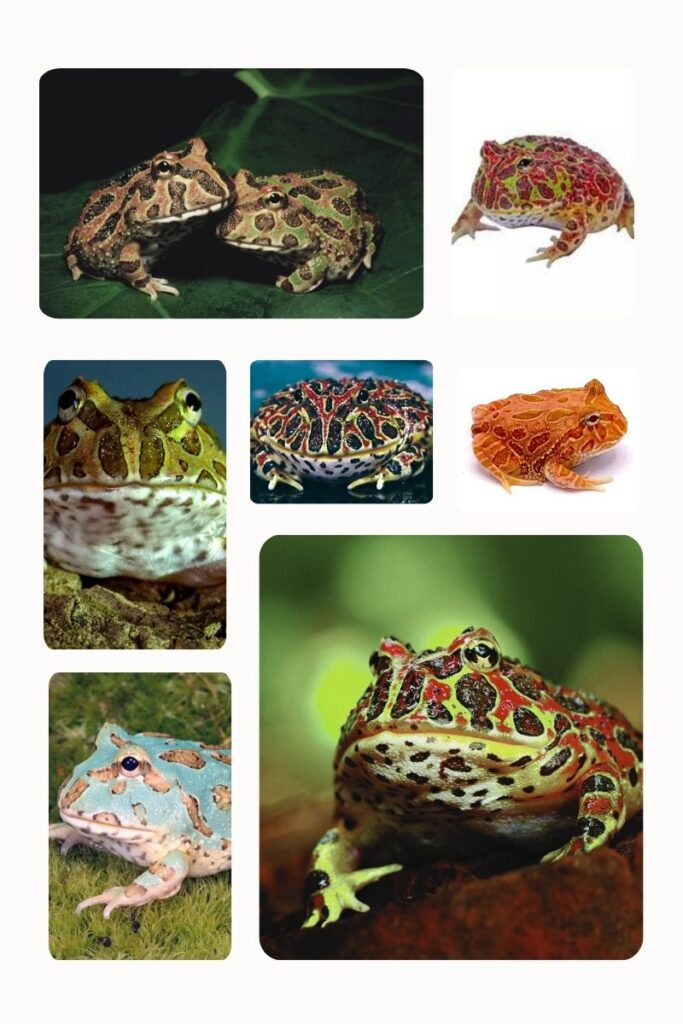
1. Hatchlings (0–2 Months)
Feed every day
Use small, fast-moving prey like pinhead crickets or flightless fruit flies
Lightly dust feeders with calcium + D3 3x/week and vitamins 1x/week
🔄 Monitor growth and adjust feeder size weekly.
2. Juveniles (2–6 Months)
Feed every other day or 5 times per week
Offer a wider variety of prey: dubia roaches, earthworms, small silkworms
Introduce tong feeding for easier monitoring
3. Sub-Adults (6–12 Months)
Feed 3 times per week
Transition to larger insects like full-size dubias, nightcrawlers, and occasional hornworms
Continue using supplements: calcium + D3 twice weekly, multivitamins weekly
4. Adults (12+ Months)
Feed 2–3 times per week
Larger prey, including occasional pinkie mice (once monthly max)
Focus on lower-fat insects to prevent obesity
🛑 Avoid overfeeding. Adult Pacman frogs will eat more than they need.

Time of Day & Feeding Tips
Feed during early evening or dusk when frogs are naturally more alert
Use tongs for better control and cleaner feeding
Remove uneaten food within 20 minutes to prevent stress or mold buildup
Seasonal Adjustments
During cooler months or brumation periods, your frog may slow down its metabolism and eat less.
Monitor appetite without forcing feeding
If the frog goes without eating for more than 10–14 days, check temperature and humidity
Always provide clean water and stable tank conditions
💤 A temporary fast during cooler months can be normal for adults.
Signs of Overfeeding
Bloated or rounded body
Reduced movement or burrowing
Fat pads bulging behind the eyes
Refusal to eat after recent meals
Pacman frogs can become obese, especially with too many rodents or high-fat worms like waxworms.
Signs of a Healthy Feeding Routine
Regular, predictable appetite
Alert posture at feeding time
Normal waste production
Steady weight gain (for growing frogs)
Occasional fasting in adults is okay
Related Articles for Feeding Success
Final Thoughts
Feeding your Pacman frog is one of the most rewarding parts of amphibian keeping—but timing is everything. By adjusting feeding frequency based on age, size, and seasonal changes, you’ll ensure your frog gets the nutrition it needs without unnecessary risks. Stick to a consistent schedule, rotate prey, and observe your frog's appetite closely. The result? A healthy, thriving companion with a mighty appetite and a long life ahead.
🙋♀️ FAQ: Pacman Frog Feeding Questions
Q: Can I feed my frog every day if it still wants food?
A: For juveniles, yes. For adults, it’s best to stick to 2–3 feedings per week to avoid overfeeding.
Q: Should I feed live or pre-killed prey?
A: Live prey is fine, but tong-feeding is safer and cleaner. Avoid large, live rodents.
Q: What if my frog skips a meal?
A: Occasional fasting—especially in adults or during cool periods—is normal.