
🐸 Pacman Frog Lifespan: How Long Do They Live?
How to Maximize the Life of Your Horned Frog
Pacman Frog Lifespan - At a Glance
Pacman frogs typically live 6–10 years in captivity, and some can reach up to 15 years with excellent care. In the wild, lifespan is shorter due to predators and environmental factors. Proper diet, humidity, and tank conditions are key to helping your frog live a long and healthy life.
When you bring home a Pacman frog, you’re not just getting a cool pet—you’re making a long-term commitment. These frogs may spend most of their time burrowed or waiting to ambush food, but with the right care, they can be part of your life for a decade or more.
In this guide, you’ll learn:
- The average lifespan of Pacman frogs
- How long they live in the wild vs. captivity
- Factors that influence their lifespan
- What you can do to help them live longer
How Long Do Pacman Frogs Live?
| Environment | Average Lifespan |
|---|---|
| Captivity | 6–10 years (up to 15+) |
| Wild | 3–6 years (average) |
Captive frogs live longer due to:
No predators
Consistent food and water
Controlled temperatures and humidity
Regular health monitoring
Some Pacman frogs in zoos and with experienced keepers have lived 15 years or more!
Species Differences
While all Ceratophrys species have similar lifespans, minor differences may occur
| Species | Lifespan (Captivity) |
|---|---|
| C. cranwelli | 6–10 years |
| C. ornata | 7–12 years |
| C. cornuta (horned) | 8–12 years |
| Fantasy hybrids | 5–8 years |
What Affects a Pacman Frog’s Lifespan?
Several husbandry factors play a huge role in longevity. Let’s break them down
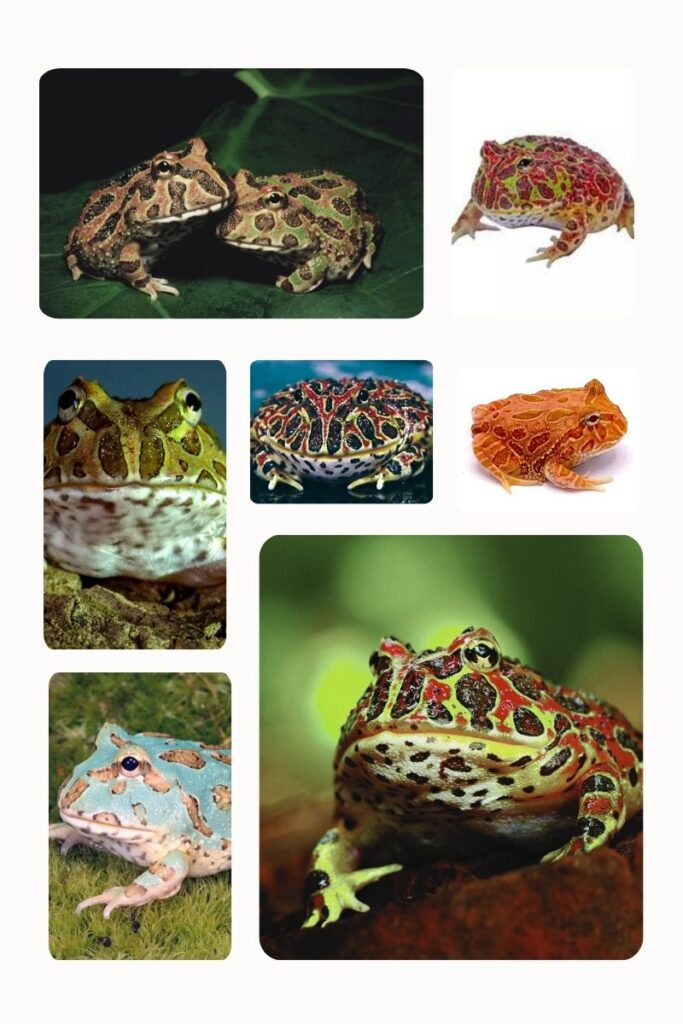
1. Diet Quality
Feed a variety of gut-loaded insects like crickets, roaches, and worms
Supplement with calcium + D3 2–3x per week
Avoid overfeeding fatty treats like waxworms or pinkie mice
👉 What Do Pacman Frogs Eat? Complete Feeding Guide
2. Tank Setup & Environment
Maintain 75–85°F temperature range
Keep humidity between 60–80%
Provide deep substrate for burrowing and stress reduction
👉 Pacman Frog Tank Setup for Beginners
👉 Pacman Frog Temperature and Humidity Requirements
3. Handling and Stress
Minimal handling keeps stress low
Pacman frogs are solitary, sedentary creatures—too much stimulation can shorten lifespan
👉 Handling Pacman Frogs: Should You or Shouldn’t You?
4. Cleanliness and Hygiene
Spot clean waste daily
Change water dish daily
Do monthly substrate changes or use a bioactive setup
5. Veterinary Care
Regular checkups with an exotics or amphibian vet
Early detection of issues like impaction, red-leg, or fungal infections increases chances of full recovery
Causes of Early Death in Pacman Frogs
| Cause | Prevention Tips |
|---|---|
| Impaction | Feed appropriate-sized prey, use safe substrate |
| Improper temperature | Use thermostat-controlled heating and thermometer |
| Poor diet | Use varied, nutrient-rich feeders with supplements |
| Dehydration | Mist regularly and maintain humidity |
| Infections | Keep enclosure clean, quarantine new animals |
Tips to Help Your Frog Live Longer
- Set up a stable, naturalistic enclosure
- Feed a balanced, species-appropriate diet
- Avoid handling unless necessary
- Monitor humidity and temperature daily
- Address signs of illness early
FAQ: Lifespan Questions
Q: Do males or females live longer?
A: Females may live slightly longer due to larger body mass and more consistent growth rates, but both sexes can exceed 10 years with good care.
Q: How do I know if my frog is aging?
A: Older frogs may move less, eat less frequently, and show faded colors—but these changes happen slowly over years.
Q: Can Pacman frogs live longer in a bioactive tank?
A: They may benefit from stable humidity and reduced stress, but only if the setup is maintained properly.