
🐸 wild vs: captive-bred pacman frogs: what's the difference
Everything You Should Know Before Choosing Your Frog
Wild vs. Captive-Bred At a Glance

Captive-bred Pacman Frogs
- Healthier
- Less stressed
- Better suited for life in captivity than wild-caught frogs
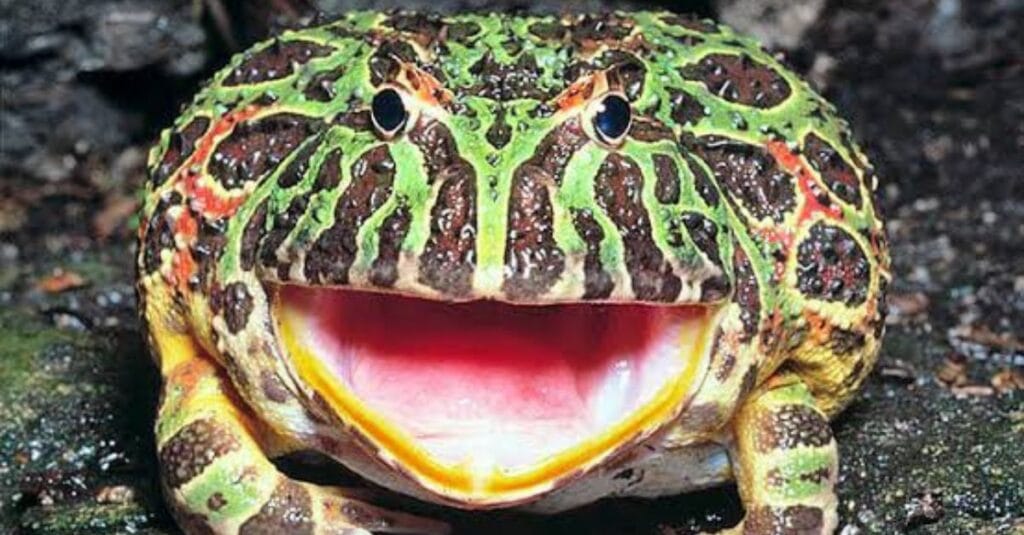
Wild Frogs
- Healthier
- Less stressed
- Better suited for life in captivity than wild-caught frogs
Learn how to identify each and why captive-bred frogs are the top choice for responsible pet owners.
When choosing a Pacman frog, it’s important to understand where it came from.
While both wild and captive-bred frogs may look similar, their health, temperament, and long-term viability as pets can be worlds apart.
In this guide, we’ll explain:
- The differences between wild-caught and captive-bred Pacman frogs
- Pros and cons of each
- Why captive-bred frogs are strongly preferred
- How to tell which one you’re buying
What Is a Wild-Caught Pacman Frog?
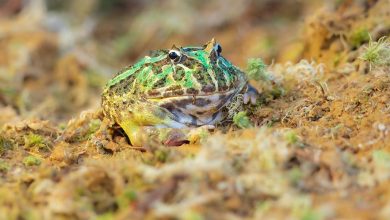
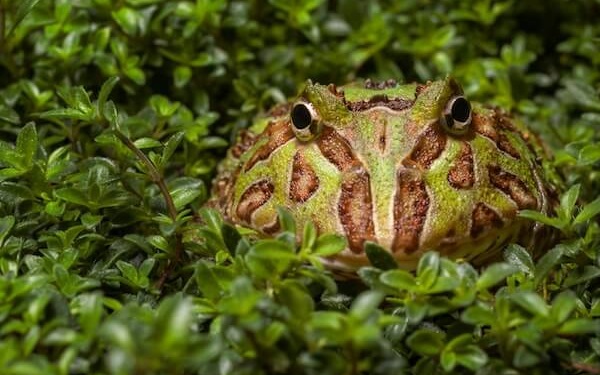
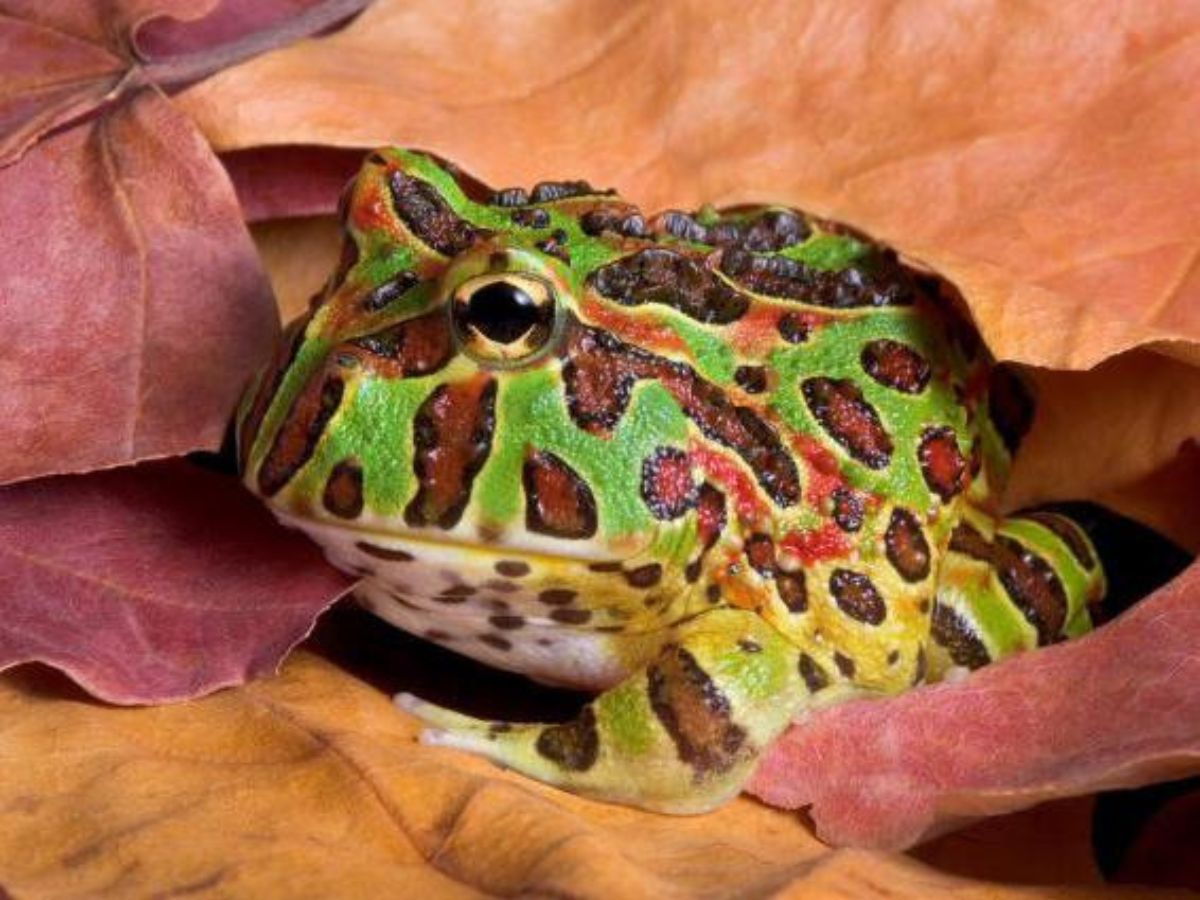
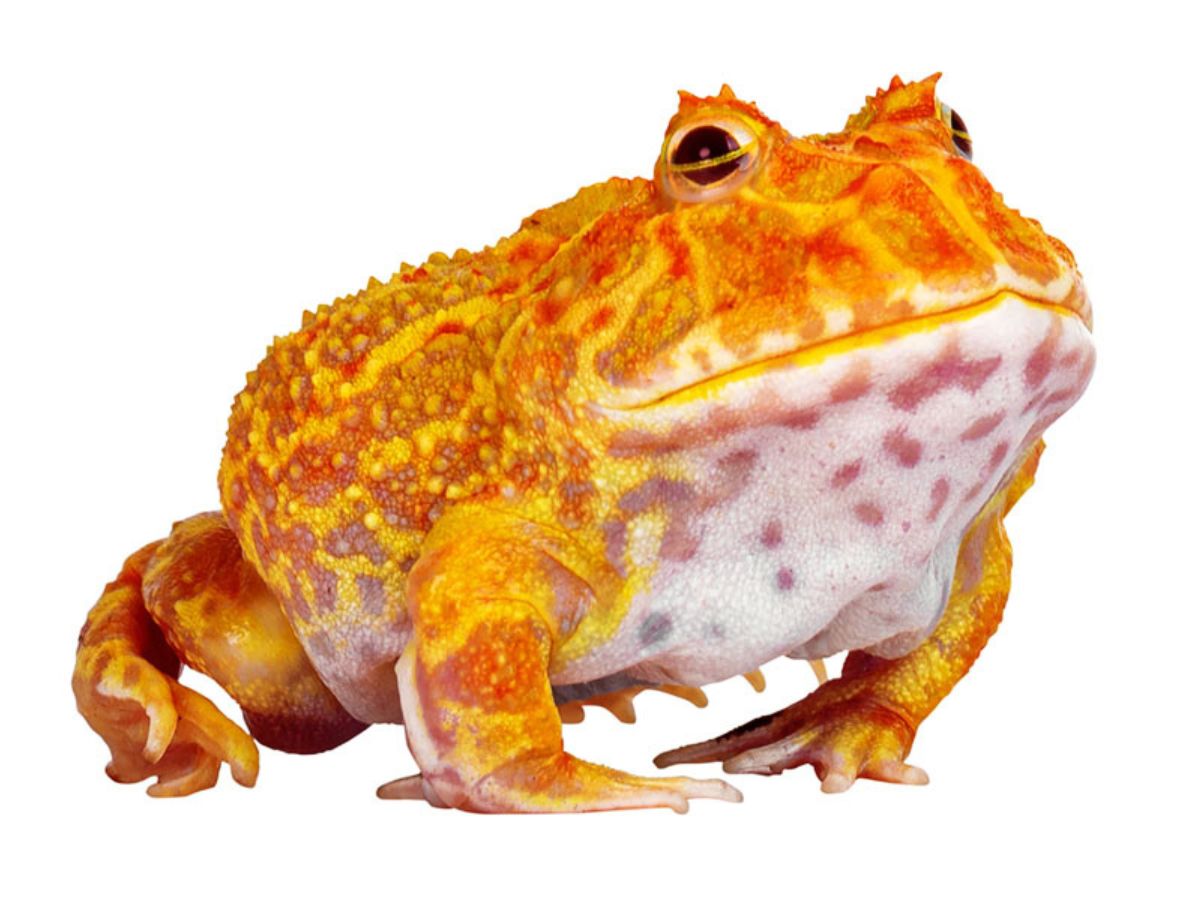
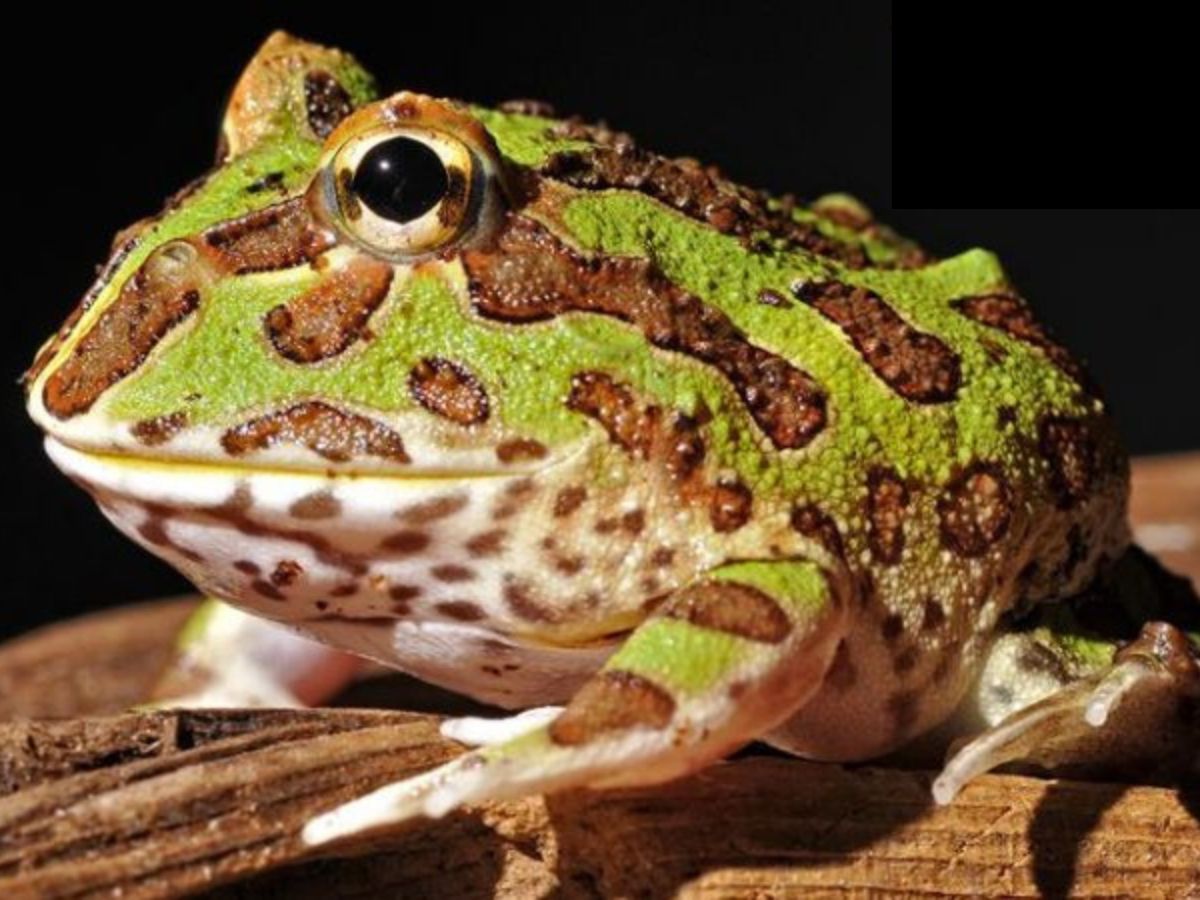
A wild-caught frog is one that was taken directly from its native habitat in South America—often with little regard for health, age, or long-term survival.
Wild Sources
- Argentina, Brazil, Paraguay (home to C. cranwelli and C. ornata)
- Often imported in large batches through the exotic pet trade
Risks of Wild-Caught Frogs:
- High parasite load
- Weak immune system
- Difficulty adapting to tank conditions
- Prone to stress, refusal to eat, or early death
- May have been injured during capture or transport
- Contributes to habitat depletion and population decline
⚠️ Wild Pacman frogs are best left in the wild or studied by professionals—
not kept as pets.
What Is a Captive-Bred Pacman Frog?
A captive-bred frog is born and raised in human care, bred by professionals or hobbyists under controlled conditions.
Captive-Bred Advantages:
- Parasite-free and disease-screened
- More docile and accustomed to human interaction
- Better appetite and stronger immune response
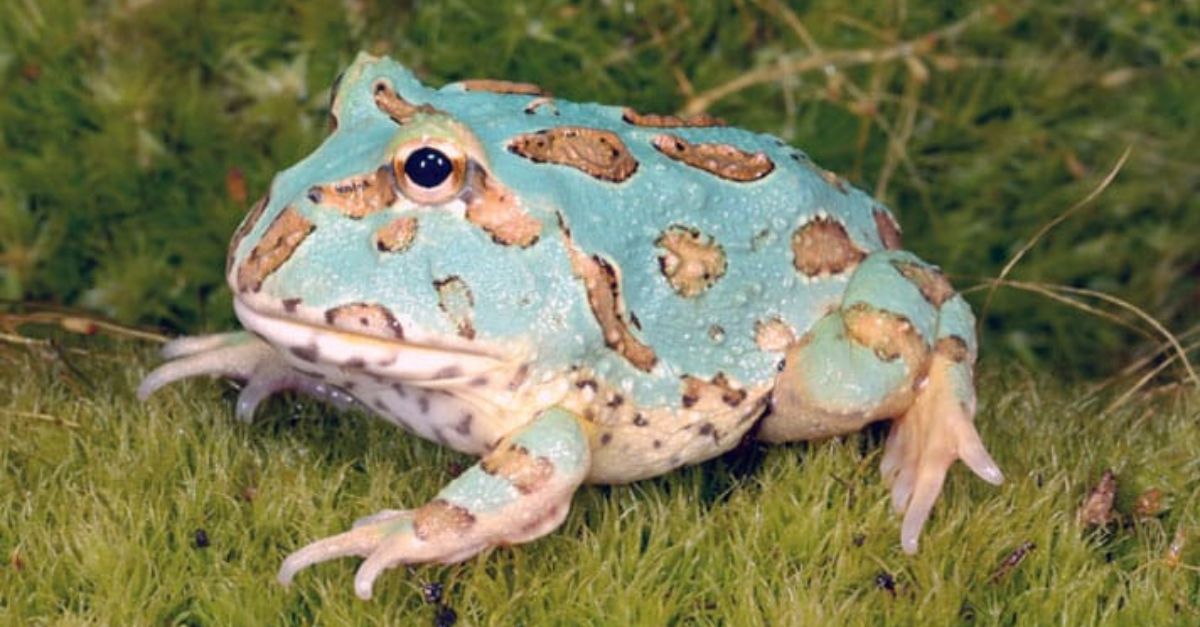
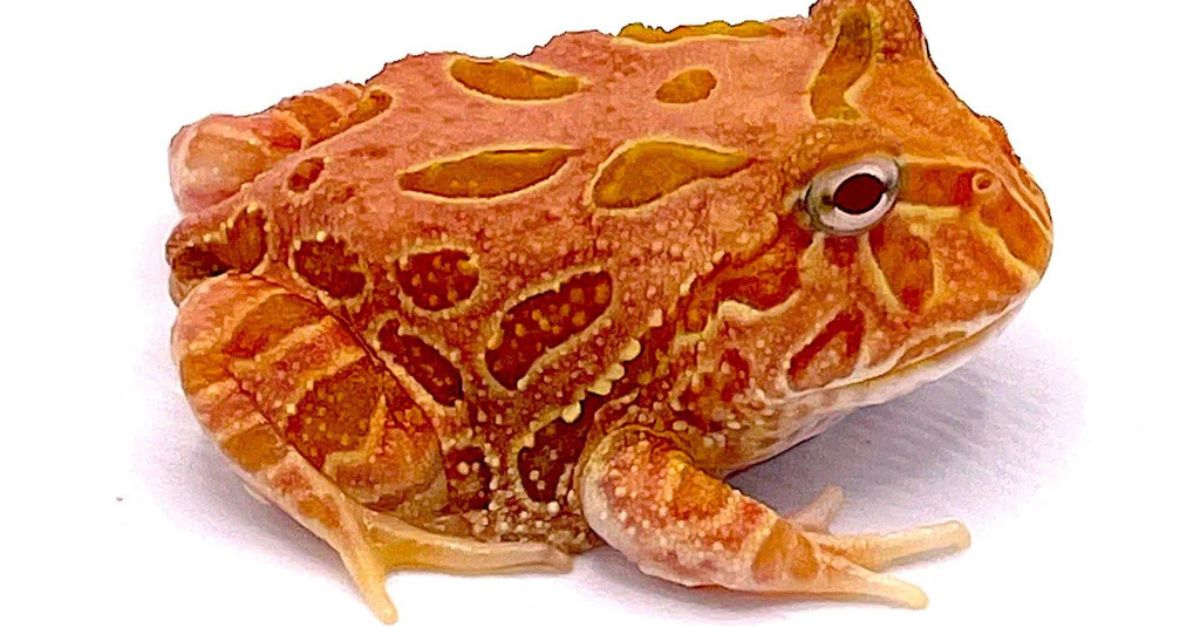
- Bred selectively for color morphs and temperament
- Supports ethical and sustainable pet ownership
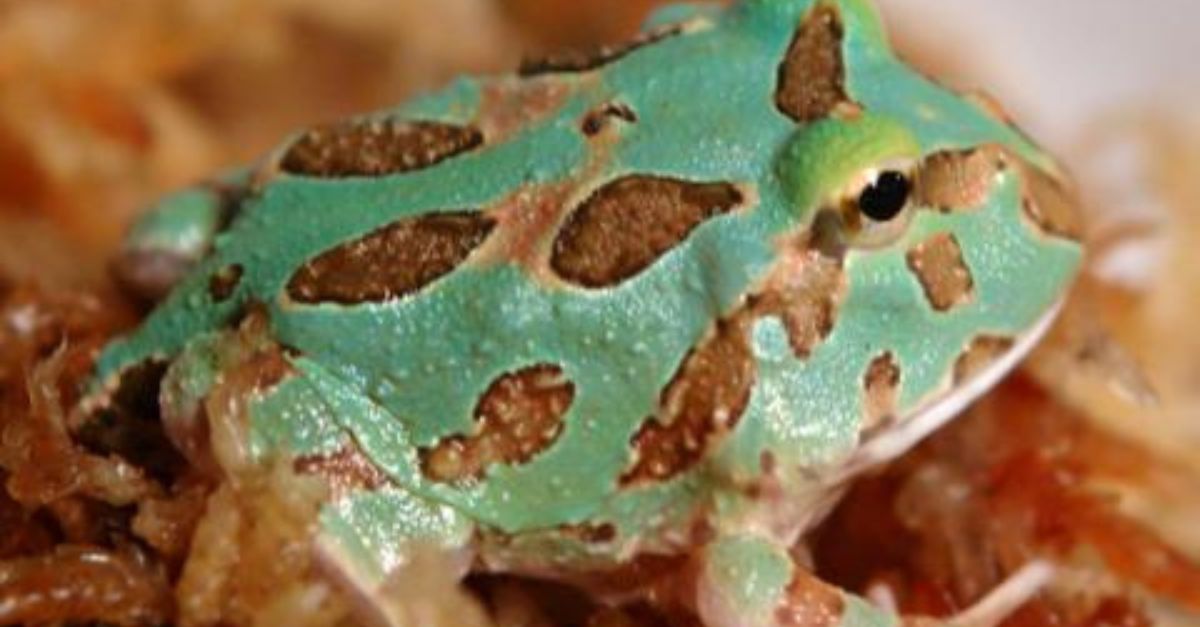
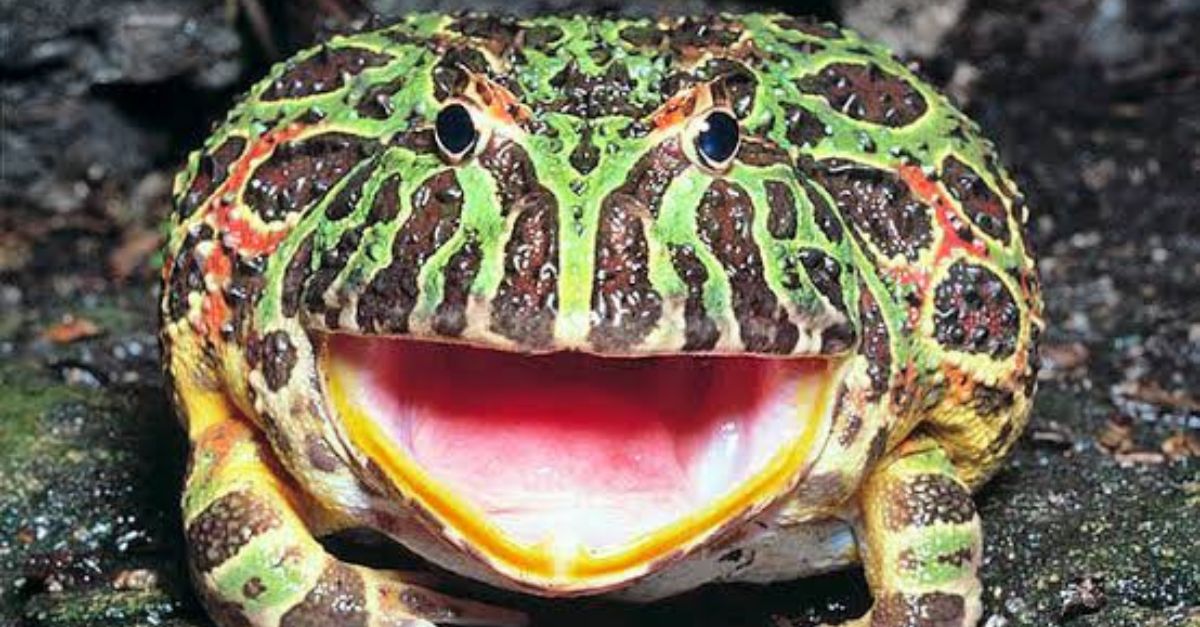
Wild vs. Captive-Bred: Key Differences
| Feature | Wild-Caught | Captive-Bred |
|---|---|---|
| Health Risk | High (parasites, stress) | Low (clean, acclimated) |
| Temperament | Skittish, aggressive | Calmer, more predictable |
| Lifespan Potential | Often shortened | 6–10+ years |
| Adaptability | Poor (hard to eat, hide, thrive) | Excellent in enclosures |
| Legal/Ethical Issues | Possible conservation violations | Ethical, regulated, traceable |
| Morph Options | Wild-type only | Wide range of color morphs |
Why You Should Choose Captive-Bred Frogs
Unless you’re a biologist or breeder with quarantine resources, captive-bred Pacman frogs are the only responsible choice for pet owners.
They are:
Easier to care for
Safer for you and other pets
More colorful and genetically predictable
Better for conservation and the environment
👉 Pacman Frog Care Guide: Everything You Need to Know
👉 Pacman Frog Lifespan: How Long Do They Live?
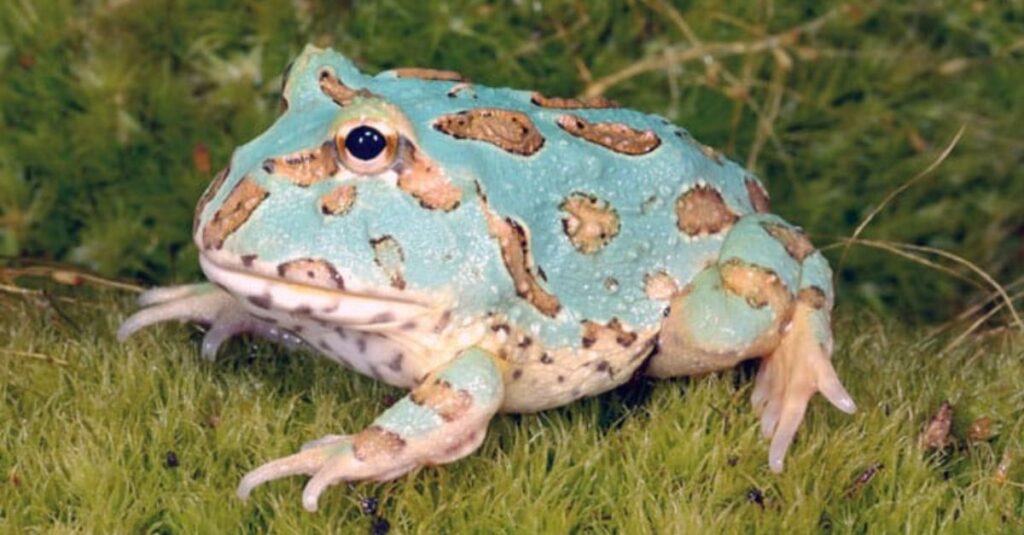
How to Tell If a Frog Is Captive-Bred or Wild-Caught
Ask the Seller:
“Is this frog captive-bred or wild-caught?”
“Do you have breeder information or lineage?”
“Was this frog produced in the U.S. or imported?”
Visual Clues:
Wild-caught frogs may have scars, skin damage, or dull coloration
Captive-bred frogs tend to look plumper, brighter, and healthier
Avoid sellers who are vague or unwilling to disclose sourcing.
Ethical and Environmental Impact
Buying wild-caught frogs fuels:
- Habitat loss and environmental damage
- Population decline of native species
- Spread of diseases to wild amphibian populations
Support conservation by purchasing only from licensed breeders or reputable pet stores that specialize in amphibians.
🙋♀️ FAQ: Wild vs. Captive-Bred
Q: Are wild-caught Pacman frogs cheaper?
A: Sometimes—but the cost of treatment, loss, and stress usually outweighs the savings.
Q: Can wild frogs be tamed over time?
A: Rarely. Most remain defensive or unresponsive in captivity.
Q: Is it legal to buy wild-caught Pacman frogs?
A: It depends on your region—but legal ≠ ethical. Always choose captive-bred when possible.