
🐸 Can You Keep a Wild Pacman Frog as a Pet?
Important Facts About Capturing Wild Amphibians for the Home
Can You Keep a Wild Pacman Frog as a Pet? - At a Glance
While it may be possible in some regions, keeping a wild Pacman frog is not recommended. Wild frogs may carry parasites, adapt poorly to captivity, and removing them can harm ecosystems. Captive-bred frogs are healthier, legal, and better suited for life as pets.
Captivated by a wild Pacman frog in its native environment? You might be wondering if you can take it home and raise it in a tank. While the idea is tempting, keeping a wild Pacman frog comes with serious legal, ethical, and health-related concerns.
In this article, you’ll learn:
Whether it’s legal to keep wild Pacman frogs
Why it’s dangerous to your health and theirs
The differences between wild and captive-bred frogs
What to do instead
Safe and responsible frog-keeping alternatives
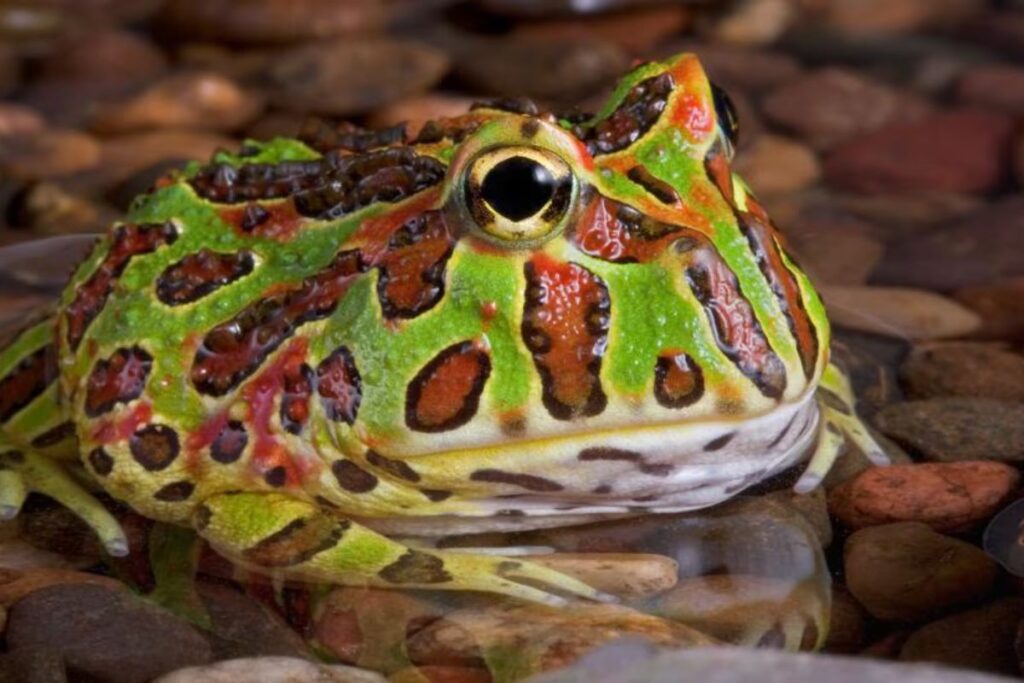
What Are Wild Pacman Frogs?
Pacman frogs (Ceratophrys species) are native to South America, commonly found in:
Argentina
Brazil
Paraguay
Uruguay
Bolivia
Ecuador
They live in humid grasslands, forest floors, and flood-prone areas.
👉 Pacman Frog Habitat in the Wild: Natural Environment Explored
Is It Legal to Keep a Wild Pacman Frog?
Short Answer: Usually not legally or ethically recommended
In many countries, wildlife collection laws prohibit taking amphibians from the wild without a license.
Exporting wild Pacman frogs is strictly regulated in South America.
Even if it’s legal in your area, doing so may be detrimental to wild populations and ecosystems.
Always check your local and international wildlife laws before considering the capture of any wild amphibian.
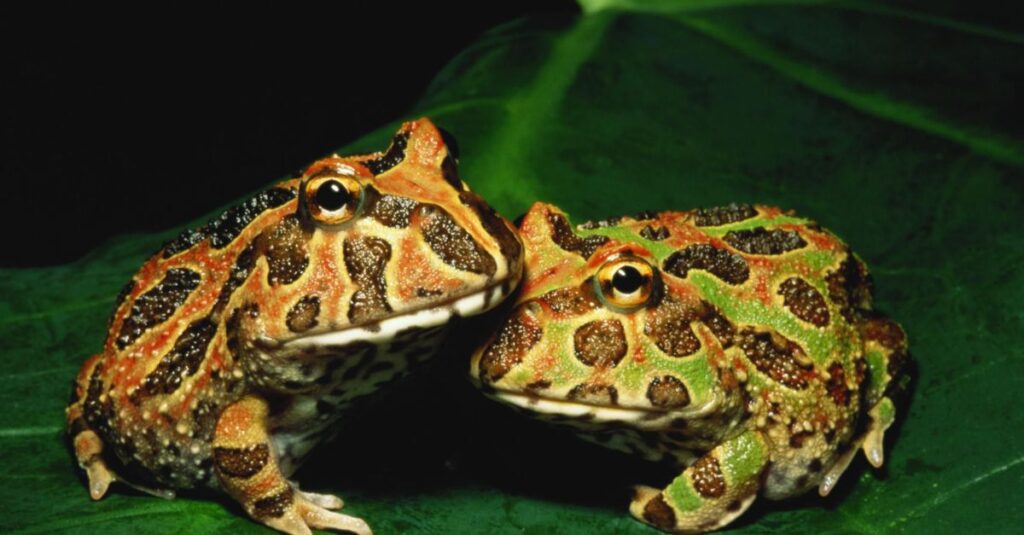
Why You Shouldn’t Keep a Wild Pacman Frog
| Risk / Concern | Explanation |
|---|---|
| Parasites & Diseases | Wild frogs may carry chytrid fungus, worms, or protozoa |
| Poor Adaptation to Captivity | Wild frogs can become stressed or refuse food |
| Ecosystem Damage | Removing frogs can unbalance local biodiversity |
| Legal Consequences | May result in fines or confiscation |
| Hard to Monitor Health | No medical history or prior care background |
Wild vs. Captive-Bred Pacman Frogs
| Feature | Wild Frog | Captive-Bred Frog |
|---|---|---|
| Health Risk | High (parasites, illness) | Low (vet-checked, clean) |
| Temperament | Skittish, unpredictable | Calm, used to handling |
| Legality | Often illegal or restricted | 100% legal to purchase |
| Adaptability | Poor—may reject food, hide | High—eats well in captivity |
| Lifespan | Shortened due to stress | Full captive lifespan (10+ yrs) |
Potential Dangers to Humans
Handling wild frogs may expose you to:
Salmonella
Fungal spores
Parasites transmitted via skin or water
Even if the frog looks healthy, it could harbor pathogens invisible to the eye.
What to Do Instead
Buy from a Reputable Breeder or Pet Store
Captive-bred Pacman frogs are:
Healthier
Already acclimated to tank life
Easier to feed and care for
Ethically sourced and legal to own
Look for CB (captive-bred) labels when buying online or in pet shops.
Help Wild Frogs Stay Wild
If you find a wild Pacman frog:
- Take a photo, observe, then leave it undisturbed
- Report sightings for local conservation programs
- Educate others about the importance of native frog populations
FAQ: Wild-Caught Pacman Frogs
Q: I already brought home a wild frog—what should I do?
A: Take the frog to a vet experienced with amphibians. Quarantine it from other pets, and consider returning it to the wild if safe and legal to do so.
Q: Can I breed wild and captive frogs?
A: Not recommended. Wild frogs may carry pathogens that could infect your entire collection.
Q: Are wild frogs more colorful?
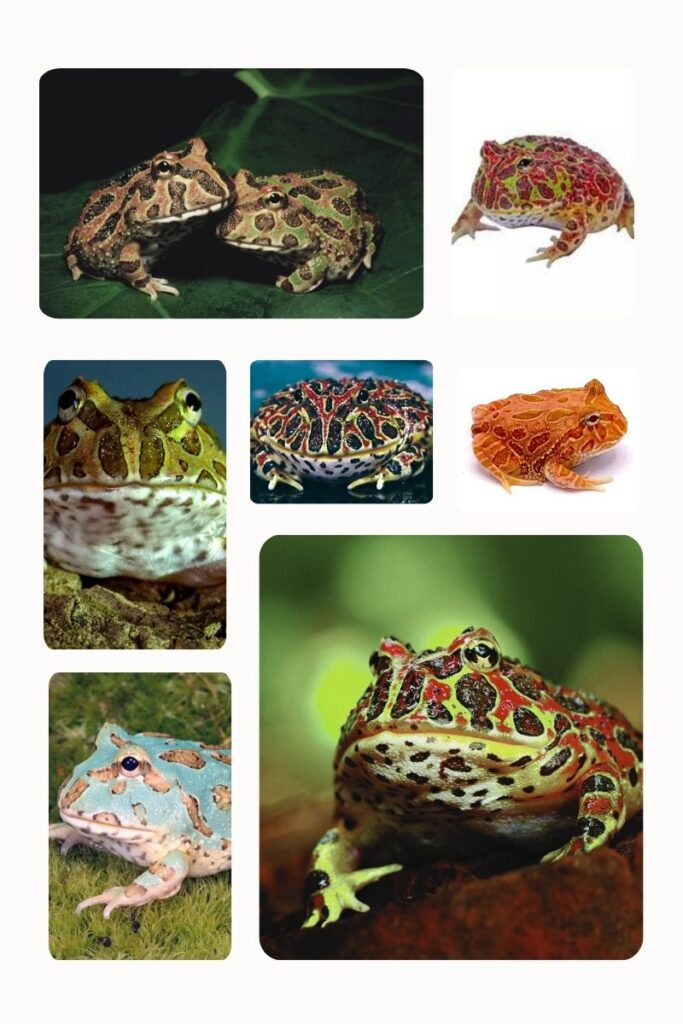
A: Not necessarily. Many captive morphs (albino, fantasy, strawberry) don’t exist in the wild.
👉 Pacman Frog Morphs: Color Variants and Genetics