
🐸 How to Create a Rain Chamber for Breeding
A Step-by-Step Guide to Stimulate Reproduction in Captive Pacman Frogs
How to Create a Rain Chamber for Breeding - At a Glance
To breed Pacman frogs, you’ll need a rain chamber that mimics their natural rainy-season habitat. Use a sealed container with a shallow water base, consistent misting or drip systems, and warm temperatures. This guide walks you through the exact steps to create a successful breeding setup.
Pacman frogs (Ceratophrys spp.) breed in the wild during heavy seasonal rains. To replicate that environment in captivity, amphibian enthusiasts use a rain chamber—a specially prepared enclosure that mimics monsoon-like humidity and moisture.
In this article, you’ll learn:
What a rain chamber is and why it works
Supplies you need to build one
Step-by-step instructions
Ideal breeding conditions and timelines
What to expect during and after spawning
What Is a Rain Chamber?
A rain chamber is a controlled breeding enclosure that mimics the environmental cues of the rainy season. It provides:
Increased humidity and barometric pressure
Gentle, continuous rainfall
Shallow warm water
Temperature consistency
These conditions trigger mating behaviors and egg-laying in both male and female Pacman frogs.
👉 How to Breed Pacman Frogs: A Beginner’s Guide
👉 Pacman Frog Metamorphosis: From Tadpole to Adult
👉 Pacman Frog Temperature and Humidity Requirements
Supplies You’ll Need
| Item | Purpose |
|---|---|
| Large plastic tub or aquarium | Main chamber structure (10–20 gallons) |
| Submersible water pump | Drives the rain effect |
| PVC pipe or tubing | Directs water to “rain” on the frogs |
| Aquarium heater (optional) | Maintains 78–82°F (25–28°C) |
| Thermometer/hygrometer | Monitors temperature and humidity |
| Dechlorinated water | Safe soaking and rainwater |
| Mesh lid or screen top | Provides ventilation while keeping frogs contained |
| Artificial plants or perches | Provides security and environmental realism |
Step-by-Step: How to Set Up a Rain Chamber
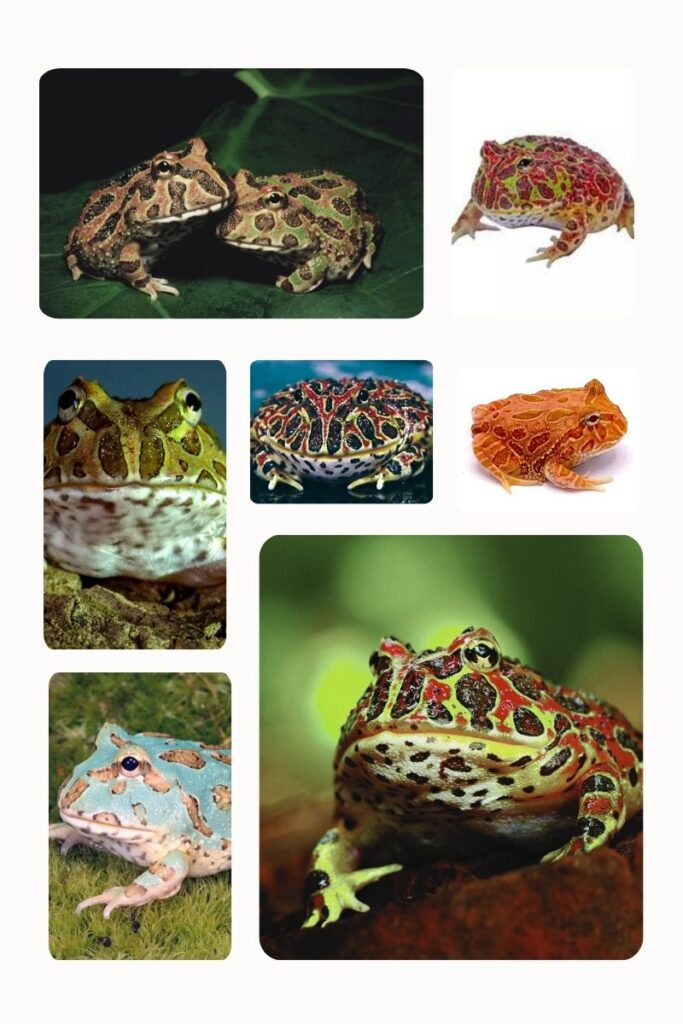
Step 1: Choose the Right Container
Use a clear plastic tub with a lid or a glass aquarium
Make sure it’s large enough for at least 2 frogs (10–20 gallons)
Step 2: Add Water
Pour in 1–2 inches of dechlorinated, warm water
Use a submersible heater to keep water at ~80°F
Step 3: Install the Rain System
Place a submersible pump at one end of the tub
Run tubing up and across the lid, with small holes poked for water to fall like rain
Adjust flow rate for a gentle drizzle, not a waterfall
Step 4: Add Plants and Perches
Use artificial plants, cork bark, or floating logs
These create naturalistic cover and reduce stress during breeding
Step 5: Insert Frogs
Introduce a well-conditioned male and female
Monitor closely, and mist by hand as needed to boost humidity to 90%+
Environmental Parameters for Breeding
| Factor | Ideal Range |
|---|---|
| Temperature | 78–82°F (25–28°C) |
| Humidity | 90–100% |
| Rain duration | 6–12 hours per day, for up to 5 consecutive days |
| Lighting | Low ambient light or indirect daylight cycle |
Mating and Egg Laying Behavior
You’ll know your frogs are ready when:
The male begins calling (a deep croaking sound)
He climbs onto the female in amplexus position
Eggs are laid in clusters, usually within 24–72 hours
After spawning:
Remove both frogs to prevent them from eating the eggs
Maintain water temp and aerate the chamber gently
Tadpoles will hatch in 2–5 days, depending on temperature
Common Mistakes to Avoid
| Mistake | Why It’s a Problem |
|---|---|
| Cold or unstable temperatures | Prevents breeding behavior |
| Using untreated tap water | Can harm frogs or developing eggs |
| Strong water flow | Stresses frogs and dislodges eggs |
| Keeping frogs together too long | Can lead to injury or cannibalism |
Final Thoughts
Building a rain chamber is the key to successfully breeding Pacman frogs in captivity. With the right setup, temperature, and timing, you can replicate nature’s seasonal cues and witness one of the most fascinating behaviors in the amphibian world.
FAQ: Rain Chamber for Pacman Frogs
Q: How long should I leave the frogs in the rain chamber?
A: Up to 5 days, or until spawning occurs. Remove immediately afterward.
Q: Can I reuse a rain chamber for future breeding?
A: Yes, but clean thoroughly between uses to prevent contamination.
Q: What if the frogs don’t mate?
A: Try conditioning them longer with high-protein food, ensure temperatures are correct, or repeat the rain chamber process after a rest period.